Can You Deliver Sympathy Flowers Weeks After a Death?
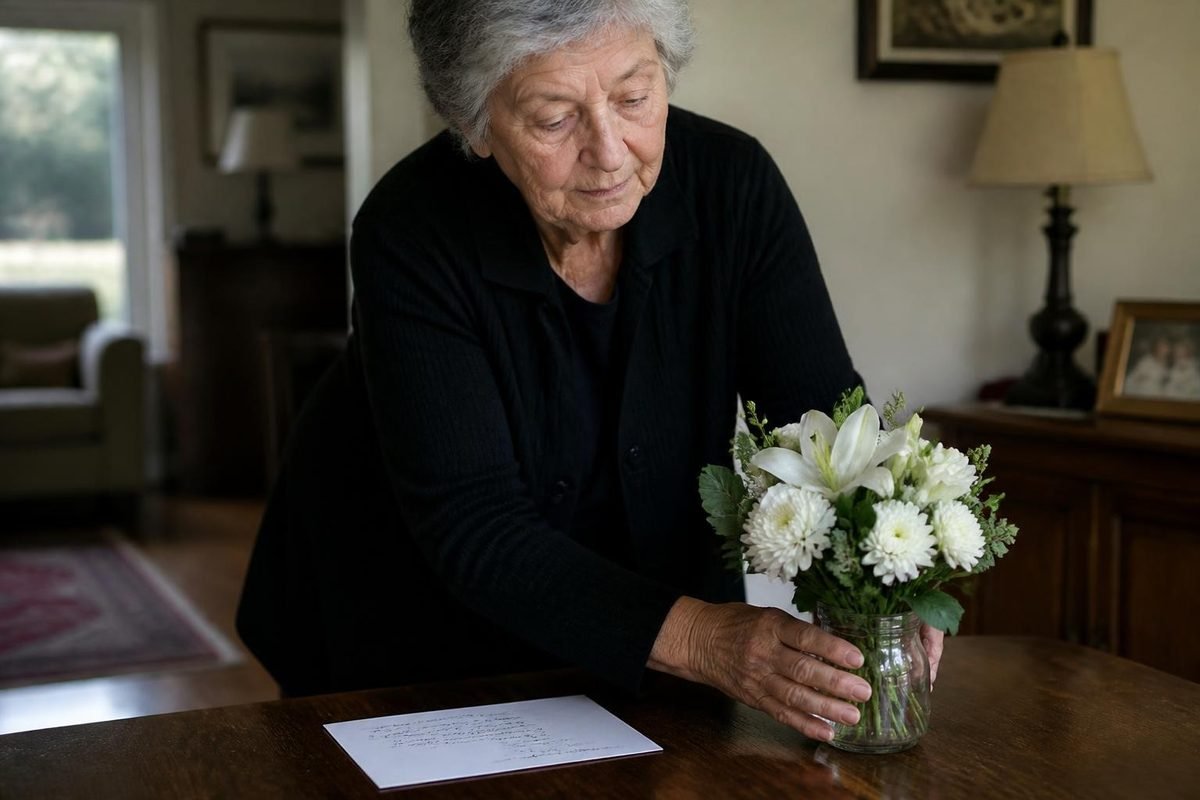
Yes, you can deliver sympathy flowers weeks after a death. A simple arrangement and a brief note can show that you are still thinking of the person who is grieving.
Why flowers can still be appropriate
Grief does not follow a fixed timetable. In the weeks after a funeral, visitors and messages may become less frequent, while the person who has died is still very much on the minds of family and friends. Flowers can be a quiet way to acknowledge that loss.
You do not need to apologize at length for sending them later. Perhaps you learned about the death recently, or you wanted to reach out after giving the family some space. Either way, a sincere message matters more than an explanation of the timing.
Keep the recipient in mind. Some people welcome flowers at home, while others may prefer a donation or another form of support. If the family has asked for donations instead of flowers, it is considerate to follow that request.
How to arrange a thoughtful delivery
A little planning can make the gesture easier for the recipient. Before placing an order, check the delivery details and consider what will be comfortable in their home.
- Confirm the address. If you are unsure, ask someone close to the recipient rather than guessing.
- Choose a modest arrangement. A small vase of flowers is easy to place on a table and does not require the recipient to find a container.
- Include a short card. Mention the person who died if you knew them, and use words that feel natural to you.
- Consider the delivery timing. If the recipient is away or has a busy day ahead, arrange a time when someone can receive the flowers.
If you know that strong scents bother the recipient, choose flowers with little fragrance. It is also sensible to ask about pet safety if animals in the home might reach the arrangement. Lilies, for example, are dangerous to cats.
What to write on the card
A few honest sentences are enough. You might write, “I am thinking of you and remembering Sam. Sending you love.” If you did not know the person who died, you could say, “I am so sorry for your loss. You have been on my mind.”
A specific memory can be comforting if it comes easily. Keep it brief and kind, such as a mention of a shared meal or a generous act. Avoid suggesting that the recipient should feel better by now, and do not expect a reply.
If flowers do not seem right, a handwritten note or a practical offer can also express care. Be specific about an offer, such as bringing a meal on a particular day, and give the recipient room to decline.
Sending flowers later is not too late. Let the gesture be simple, and let your message make clear that you are thinking of them.
Next step: https://greensys2019.org/post-harvest-care-why-the-first-hours-decide-a-flowers-vase/